Clear Aligners
Clear Aligners
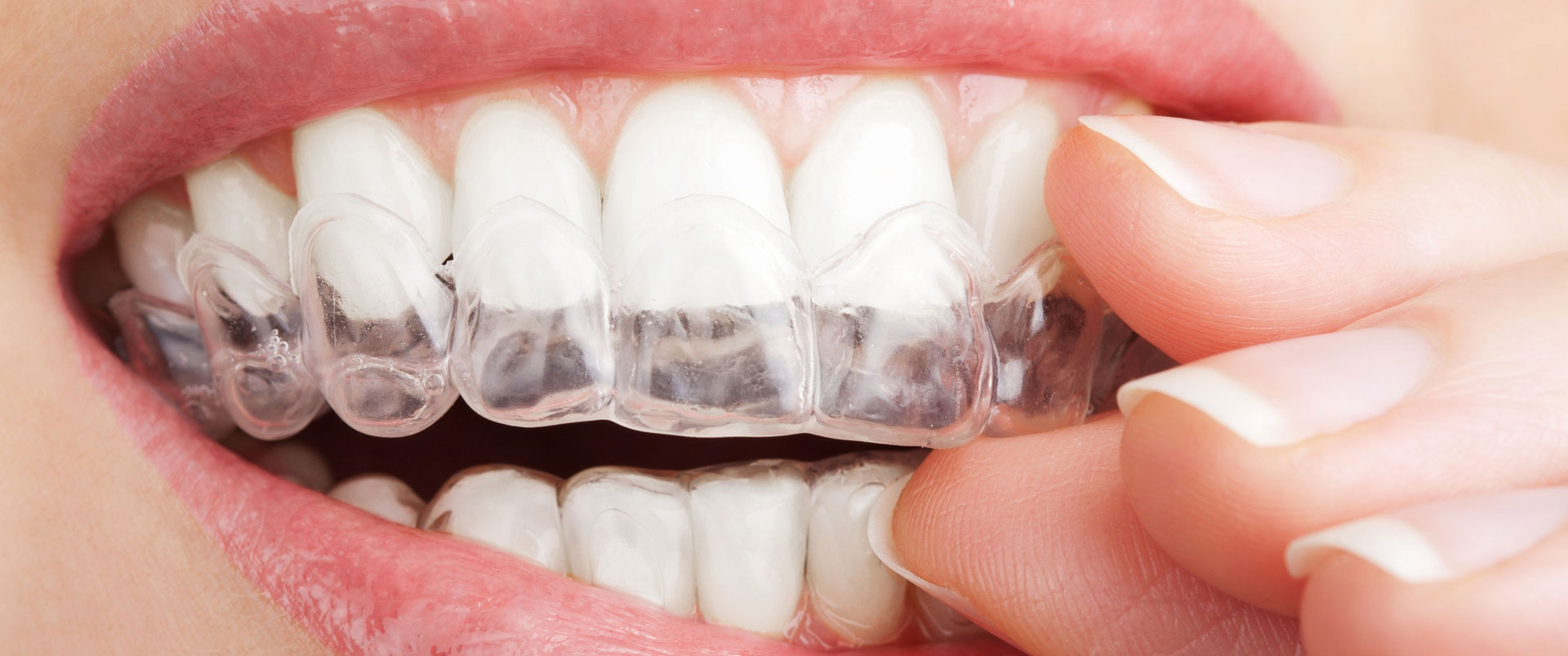
Aligners Produced By Cad-Cam Technologies
Digital technology is revolutionizing orthodontics. Aligner treatment and orthodontics are now CAD-CAM, just like other areas of dentistry.
The most well-known clear aligner, Invisalign(r), has been used as a general term for all other systems that use CAD-CAM technology. This is the system known to be one of the most advanced and widely-used. In 1999, the Invisalign(r) system was introduced to the orthodontic market to treat mild malocclusions only; however, the development of different attachments and auxiliaries now enables Invisalign(r) system to perform major tooth movements and treat more complex cases such as those requiring premolar extraction (16-18). Invisalign(r), which uses CAD-CAM technology to design and produce aligners, is 13 Invisalign(r), which uses CAD-CAM technology to produce aligners, is a combination of stereolithographic prototyping technology and computerized virtual treatment planning. In 2015, there were 27 clear aligner options, a figure that is growing rapidly. Companies like Clear Correct, ECligner and EON Aligner are just a few examples.
What Clear Aligner is Best for Your Teeth?
Clear aligners come in many different forms that you need to research. In your research, you will find that invisible aligners are categorized as those that require the help of an orthodontist and those that you use exclusively at home.
Clear aligners that are monitored by an orthodontist involve a similar level of oversight as traditional braces. Moving your teeth is a complex process that must be done with care. Your orthodontist will require regular appointments to monitor your progress and adjust when needed. During those appointments, you can talk with your orthodontist about any questions about your treatment. An orthodontist is required to help you with Invisalign(r), and Spark(r).
The other option for invisible aligners is in-home, do-it-yourself aligners. Many companies offer self-managed treatments. With this option, you receive a set of clear aligners and a schedule for changing them out. Then, you follow the program and keep track of your progress. Clear aligner companies that work from home ask for progress photographs to help them keep tabs on their patients. But, again, the DIY element of this option can help keep the clear aligners cost down when compared with other options.
Clear aligners with an orthodontist monitoring them are best in all situations. The American Dental Association and the American Association of Orthodontists caution people about the dangers of self-managed orthodontic treatment. The condition of your gums, teeth, and underlying structure can impact what type of intervention is right for you. An orthodontist will take progress x-rays and images to help keep a close eye on your overall oral health during your treatment.
Clear Aligners And Invisalign
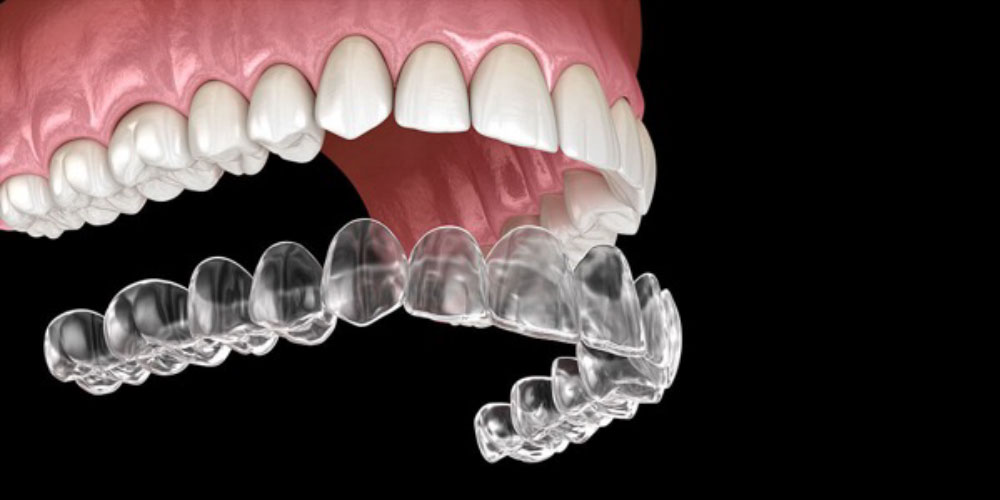
Clear aligner therapy (CAT), in its simplest form, uses transparent plastic trays to treat different types of orthodontic problems. Patients must wear the trays for at least 22 hours per day until treatment can be completed.
These braces work on the same principles as metal braces in that they gently press your teeth with pressure to move them to their desired positions.
However, most people, when they are thinking about clear aligners, they think of Invisalign. But to be more precise, Invisalign is the name of the product, and Align Technology manufactures it.
Clear aligners are not limited to Invisalign. Clear Correct, MTM(r) and Clear Correct are two other clear aligners. These are all examples of clear align therapy, the same way that Toyota, Mercedes Benz, or even Ford are car brands.
Invisalign is a technology that has been in use for over 20 years and continues to improve. Because they're so popular, clear aligner therapy is synonymous with them.
Find an Orthodontist in Your Area
- Price: $3,000-$8,000
- Typical treatment window: 6-12 months
- The pros: You can get prompt treatment for any issues or emergencies. They also have more thorough exams and tests, like X-rays.
- Cons: In-person visits can sometimes be costly and time-consuming.
- Insurance. Call your insurer to check if you are accepted by the office of an orthodontist.
Working with a local orthodontist has many benefits: You can get regular in-person checkups (usually every 6 to 10 weeks) and a more thorough workup, including X-rays and photos. A local dentist can provide aligners. This is similar to ordering online or from mail-order firms.
Everything is done in person. Your orthodontist can tell you whether aligners are right for your teeth and make other recommendations if not. Like most aligners, yours will likely be made out of a medical-grade plastic called polyurethane resin or may even be a well-known brand like Invisalign. Your orthodontist will also be able to make small adjustments to your teeth tray after it's made for fit or comfort.
You can search the internet for an orthodontist or review websites. Ask your friends and family to recommend one. Or ask a dentist for referrals.
Reveal Clear Aligners Vs Invisalign:
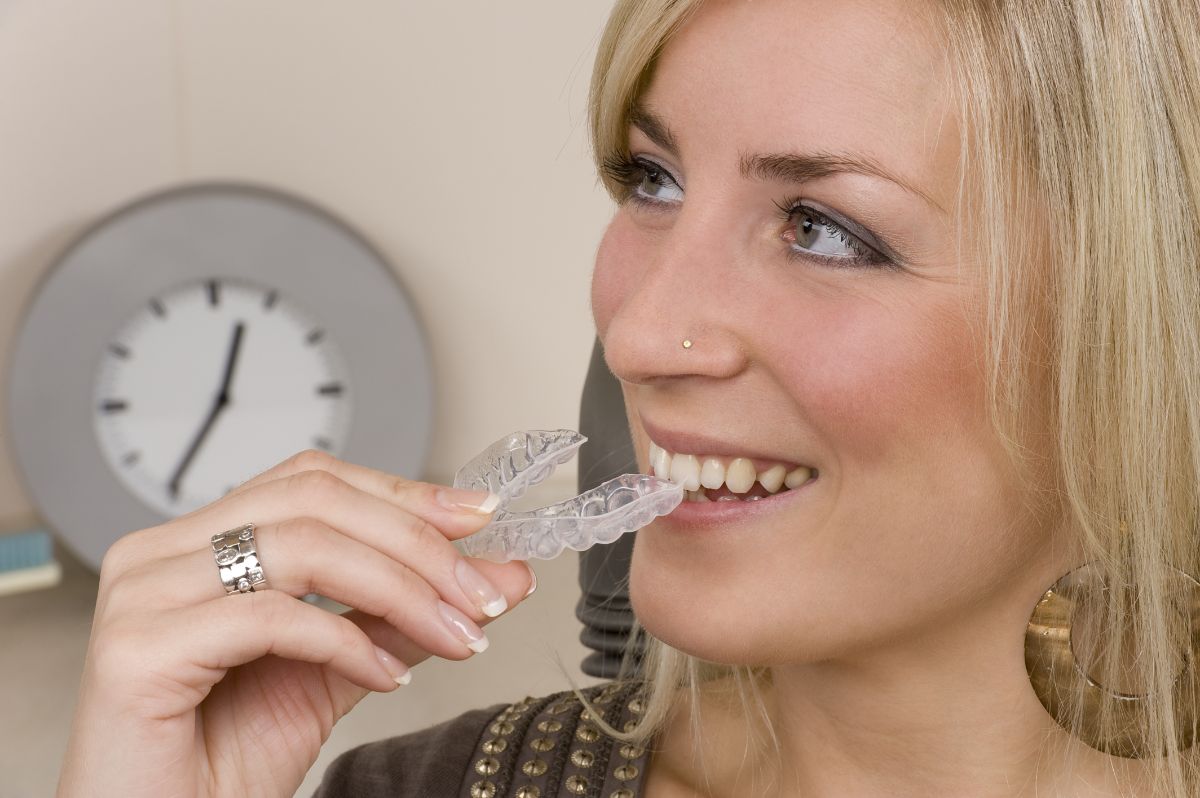
Both aligners have advantages, and we can see that the Invisalign comparison with Reveal Clear Aligners is a good example. With all the different options available, choosing the right aligners can be a difficult task. Hopefully this blog has helped make a few things clear for you about the details of the aInvisalign vs Reveal Clear alignersa debate. Your dentist can help you choose the best aligners for your smile. Doing your research is important, and that includes discussing all your options with the dentist. The price of your aligners is also important. There is no need to be concerned about Reveal Clear aligners price or Invisalign price. Many dental insurance policies will cover Reveal Clear aligners prices in the same way as traditional braces. Click here to learn more about how we use aligners to help you get a beautiful smile.
Clear aligners have many advantages
They are removable: Clear aligners are not affixed to the teeth like traditional braces. Instead, they are slipped on over the teeth and worn for at least 20 to 22 hours a day. They can be removed while eating and drinking. Braces can be removed while eating and drinking. Aligners do not have such restrictions. It is also much easier to maintain good oral hygiene during treatment with aligners because they can be removed during brushing and flossing.
4. Clear aligners require fewer visits to the dentist: They don't need as many maintenance as braces. This means that they are less likely to need to be re-done as frequently. The majority of maintenance can be performed at home. Also, if your problems are minor, your dentist can directly prescribe aligners for your treatment. It might not be necessary to consult an orthodontist, saving time and money.
Align Domination Has Begun!
Two Stanford University students, Zia Chisti and Kelsey Worth created the first clear aligner system. Invisalign is a system of clear aligners that can be removed to provide discreet orthodontic treatment for adults. You have to remember that prior to this, if anyone needed straighter teeth, they had to endure bracket and wire style treatments coupled with retainers and positioners. Distinctive removable aligners were all that was needed to move teeth.
The pair came up with something really unique. But, even more amazing was that the clear aligner could be reproduced by computer using multiple models created from one impression. This meant dentists would have to make use of their computer systems to be able to provide this type of treatment.
Align Technology, the company that created Invisalign, was granted a patent to produce more than three aligners in one impression. Over the following years their impregnable IP (Intellectual Property), enabled them to dominate the market from the beginning. In fact, when they launched in 1999, Align technology was in an enviable position in that they had zero competition and this remained the case for many years to come.
Hand-Set Up of Aligners
The manual approach is a labor-intensive process, requiring manual repositioning of the teeth, wax setting, and production of vacuum-formed retainers. This approach allows the fabrication of aligners easily in laboratory conditions in a cost-effective manner. It also facilitates the follow-up process of the treatment and allows the orthodontist to make the necessary treatment changes at an earlier stage.
A working cast is made after full arch impressions using polyvinyl siloxane. On the working casts, teeth that are planned to be moved in each aligner are determined and removed from the cast using a 0.25-mm handsaw. The separated target teeth are then moved to the desired position and are fixed using the block-out wax. If needed, the interproximal reduction is performed at this stage. After this realignment, plastic sheets are molded on the setup model using a pressure molding machine or vacuum machine. After the trimming, the aligners in three pieces are sent to the patient (19).
There are three thickness options for aligners: 0.020-inch (0.025-inch), 0.030-inch (0.030-inch), and 0.025-inch (0.030-inch). The use of gradually thickening aligners provides more control on tooth movement and reduces the pain caused by orthodontic forces. Two to three sets of impressions are required to produce aligners with different thicknesses. The patient will be instructed to wear each one for a period of 10 to 15 calendar days. The aligners are fabricated from a new working cast and obtained from a new impression taken at each visit, which allows the clinician to modify the treatment plan throughout the course of treatment, and to be able to follow the progression of tooth movement (14, 15). Clear Aligner system CA (Scheu Dental, Germany) is an example of aligner systems requiring a manual setup. In this system, a computer program, Aligner Aid (AAP, IV- Tech, South Korea) is used to accurately measure the tooth movement obtained. Although it is possible to visualize the movement of a tooth with your naked eyes, this is not recommended if more than one tooth needs to be removed. Before the initial setup is made, a photo of the working cast is taken using a digital camera, and this photo is superimposed over the photo of the setup model. The program measures the distance and angle of the teeth that are to be moved and recommends that the total teeth movement obtained in one set of aligners be limited to 5 mm (14, 15).
Invisalign:
Invisalign is one of the oldest and most popular clear aligners available. Since 1999, Invisalign aligners are sold in America. They are practically a household name now.
Invisalign aligners treatment begins with a consultation with an Invisalign-certified dentist. An orthodontist doesnat need to be consulted if the dentist has completed Invisalignas specialized training. During the consultation for Invisalign aligners, the dentist will examine your teeth and your bite and then propose a treatment plan most suitable for your unique case. The treatment will not only include how long the Invisalign aligners will have to be worn and how many different sets of aligners will be required, but it will also show how your teeth will change throughout the treatment.
Invisalign's new SmartTrack plastic blend is used to make the aligners. It was developed after eight years of extensive research. It is made of premium medical-grade multilayer polyurethane resin and is designed for durability and flexibility. It does not contain BPA, BPS or latex.
After the Invisalign aligners treatment is complete, you will be expected to wear retainers for a specific period of time, to ensure that your teeth do not shift back into their original positions. Align Tech is the manufacturer of Invisalign aligners. It also produces Vivera retainers. They are made with the same material as Invisalign aligners so they will also be comfortable, durable, and virtually invisible.
Candid
- Prices: Price of $2,400 for one time payment, or $3,143 over 36 monthly payments of $79, $299 down, respectively
- The typical treatment period is 6 months
- There are pros: You can get in-person consultations or at-home starter kit. Candid has regular sales (for example, the Labor Day sale is $250 off aligners or $75 off the $95 starter kit).
- Cons: This relatively young company was founded in 2017 and doesn't have an extensive track record. It isn't trusted or well-known as other, older brands.
- Insurance: Save up to $,1300 with in-network insurance; click here for details.
Candid provides options for many parts of the getting-your-aligners process. You can purchase your aligners with one $2,400 payment or spread out your payments over 3 years (though you'll pay $3,143 total if you do it that way).
They also offer regular sales, so if you're in no hurry, hold out for deals around Labor Day, Thanksgiving, and Christmas. They also let you choose either an in-person consultation with a doctor or a tooth impression kit for use at home. Stain-resistant, the aligners are made from a BPA and phthalate-free thermoplastic.

Take into consideration the Time Commitment
The type and individual requirements of each patient will determine the length of your treatment. Byte, SmileDirectClub, NewSmile, and other brands that offer at-home treatment for mild to moderate issues say that the average treatment time is four to six months. Candid is a brand that treats more serious alignment problems. Invisalign usually takes 12-18 months. You will need to wait longer for a nighttime treatment, which can take anywhere from five to seven weeks. Our survey revealed that 25 percent of users who had invisible braces reported their treatment took 6-12 months. 22 percent claimed it took 3-6 months.
Do Clear Aligners Hurt?
Invisible aligners slowly move your teeth. Your goal is to align your bite and straighten your teeth to create a functional and beautiful smile. You may feel some discomfort while moving your teeth. Each time you switch to a new tray, you will likely experience a feeling of tightness, which may lead to temporary soreness or discomfort. The discomfort you experience when changing to a new tray is similar to what traditional braces patients feel after visiting the dentist. The pain associated with clear aligners is temporary and may be managed with the help of over-the-counter pain medicine, as directed by your orthodontist.

Reveal Clear Aligners:
Henry Schein Orthodontics' Reveal Clear aligners are one of the most recent on the market. Reveal aligners have only been in the market since 2019, but they quickly became one of the most commonly used aligners. Reveal aligners are similar to Invisalign in many ways, and they also have advantages that Invisalign aligners do not have.
The consultation for the Reveal aligners is similar to Invisalign. The dentist will perform a thorough examination of your bite and teeth to determine the best treatment plan. This will outline the length of treatment, the number of Reveal aligners required and the changes in the location of your teeth throughout treatment.
ClearWear is a unique material used to make aligners for the breasts. It is BPA-free and phthalate-free plastic, manufactured through a proprietary process for crystal clear clarity and perfect fit. ClearWear ensures that the Reveal aligners are stain-resistant and much easier to maintain. So, unlike Invisalign aligners which can get stained if not maintained properly, Reveal aligners do not get stained or clouded and remain clear. The edges of Reveal aligners are also scalloped, making them easier to wear.
1960'S To The 1980'S
Researchers began to record the successes of "one-piece plastics splints" in the 1960's. These splints could now be used for minor tooth corrections. Although they weren't as sophisticated and sleek as the modern clear aligners, the splints were becoming more popular.
In the 1980s, silicon was replacing plastic. They were also known as Elastomer Devices. This was a breakthrough in that it allowed for tooth movement of 3mm using one Elasto appliance.
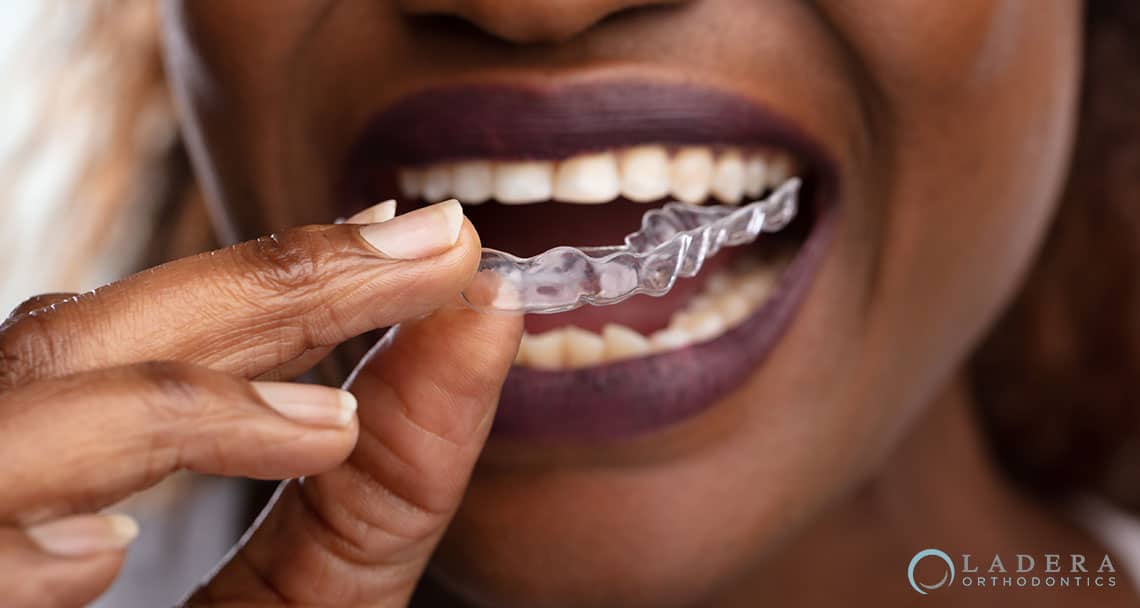
Clear alignments
Clear aligners do require a specific type of care. Clear aligners require special care. Drinks with sugar and dark colors should be avoided, as the sugars and dyes in the drinks can get into the aligners and put your teeth at risk for decay. Some colored drinks can also stain the tray and cause discoloration. Clear aligners should be worn when drinking hot drinks, because heat can cause damage to the plastic.
The best way to prevent stains is to remove your aligners when you drink something other than water. For invisible aligners, there are specific cleaning and maintenance procedures. Consistent and good oral hygiene can help preserve clear aligners.
What is the average time it takes for invisible aligners to work?
Depending on the complexity of your case and your compliance with your dentist's instructions, clear aligner treatment will generally take the same amount of time as traditional braces. Based on your specific needs, you can have invisible aligners lengthened by your dentist.
Are The Aligners Difficult To Keep Clean?
Most clear aligners are easy to keep clean. You can brush them lightly once or twice each day with a toothbrush and cool water. Depending on which brand you choose, non-abrasive toothpaste may also be available.
How can Clear Aligner treatment be beneficial?
The best part of clear aligners is that they often go unnoticed. In fact, most people won't be able to tell you are wearing them at all. Clear aligners have one drawback: they must be removed during meals. Most patients learn how to discreetly remove clear aligners after a while.

Clear Aligner Treatment: What can I expect?
It may take a few weeks to get used to the aligner trays. Sensitivity and discomfort are common during the first few days. Your bite may feel different as your teeth are moving, but this is normal. Lisps and speech problems can also occur while you have the aligners in your mouth.
Aligners at-home
There are two types of clear aligner options available:
Other aligners (most at-home options) are not trimmed along your gum line. Instead, they partially cover your gums and may cause more irritation in the beginning stages. Most discomfort is minor.

What is the working principle of invisible aligners? What do they do?
Invisible aligners slowly shift your teeth over time. Each set will include multiple aligners. You can wear each for seven to fourteen days before moving on to the next one. The aligners are custom-made for your teeth and designed to slowly shift your teeth into a more desirable alignment.
After Treatment
To prevent malocclusion from recurring, you should always wear a retainer every night as you sleep to make sure that it does not happen again.
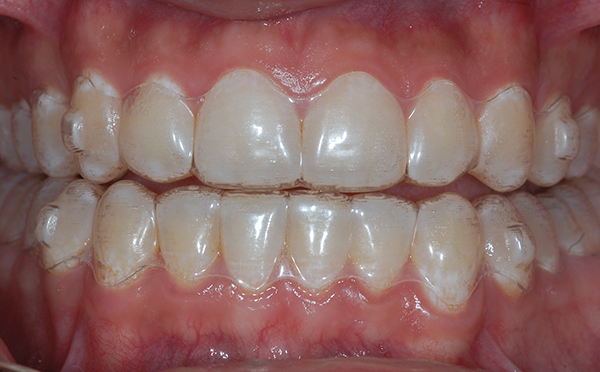
What are Clear Aligners?
Clear aligners, also commonly known as invisible aligners, are an alternative to traditional metal braces. Your orthodontist will fit invisible aligners over your teeth. Each plastic tray is all slightly different and will apply a gentle pressure to your teeth to move them into alignment over time. Invisible aligners provide a more aesthetically pleasing and comfortable alternative to traditional metal braces.
Get The Smile YouaVe Always Wanted With RevealaC/ Clear Aligners
Dr. George Orfaly of Fisher and Detail Dental explains why RevealaC/Clear Aligners are better than traditional braces.

How to Preserve Clear Aligners
- Always rinse them with cold or lukewarm water after removal
- Avoid using hot water to clean the plastic. Heat can cause damage or warping.
- Brush and floss your teeth before wear
- Soak them in retainer or denture cleaner
- Remove the aligners before eating
- Use mild soap to clean the alignments every day
- Never clean them with toothpaste